Featured

Taking to the Skies: The Thrill of Hunting Ducks with a Hawk

Intro


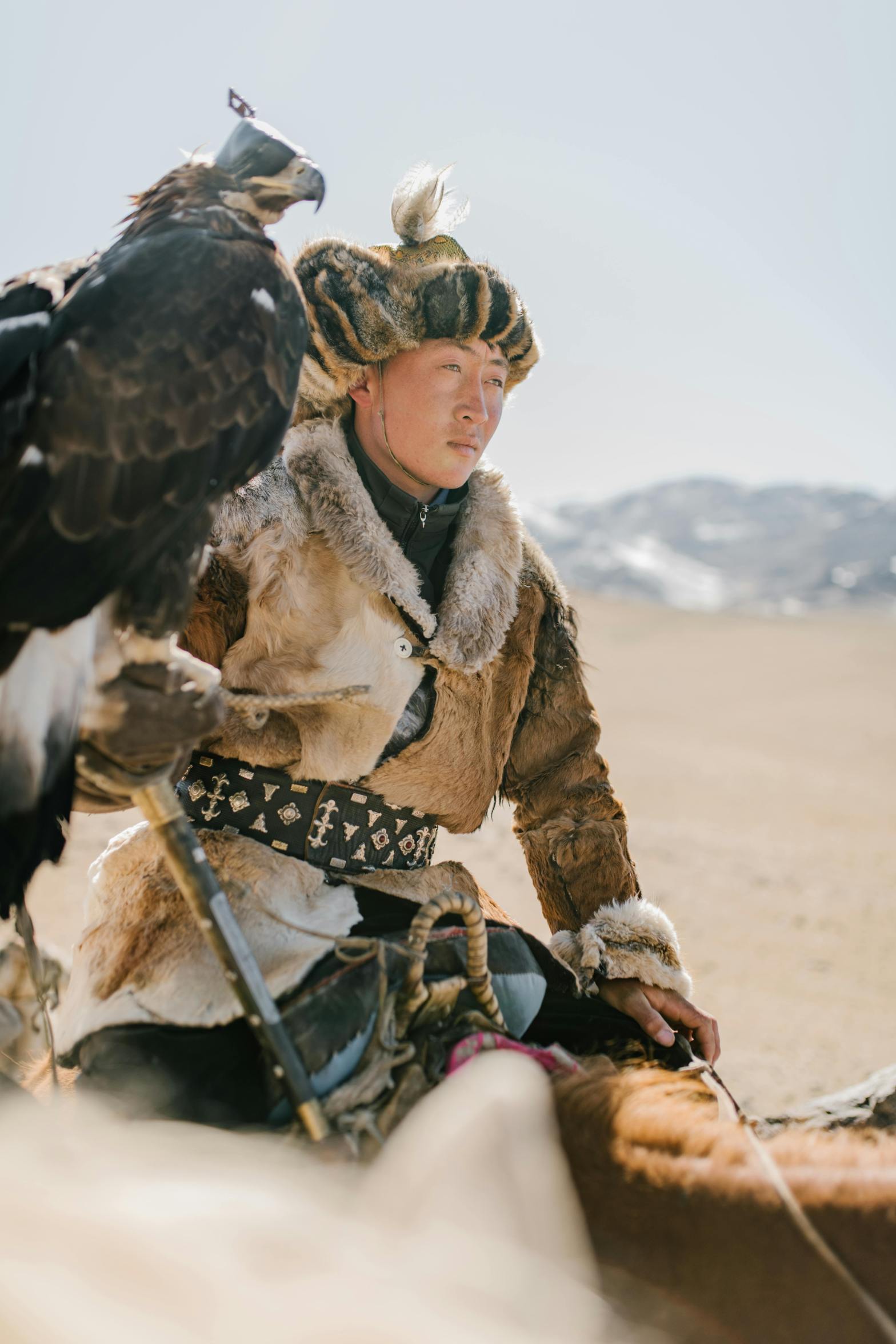
As a duck hunter, there are few experiences that compare to the thrill of hunting ducks with a hawk. This ancient form of duck hunting has been practiced for centuries and involves the use of a trained bird of prey to capture ducks in flight. Not only does it require a high level of skill and training, but it also offers a unique perspective and adrenaline rush unlike any other form of duck hunting. Join us as we take to the skies and explore the excitement and challenges of hunting ducks with a hawk.

Unraveling the World of Falconry: An Overview for Novices


If you’re a novice duck hunter interested in trying out the exhilarating experience of hunting ducks with a hawk, then this section is for you. Falconry, the art of training and hunting with birds of prey, has a rich history dating back centuries. In this overview, we’ll dive into the world of falconry and its unique connection to duck hunting.
Falconry requires patience, dedication, and a deep understanding of the natural instincts of hawks. These majestic creatures have an innate ability to spot and capture ducks in flight, making them the perfect hunting companions. In this section, we’ll explore the basics of falconry, including the different types of hawks used in duck hunting, their training process, and the equipment required.
By understanding the world of falconry, you’ll gain insight into the intricate relationship between a falconer and their hawk. So get ready to embark on a thrilling adventure as we unravel the world of falconry and set the stage for the excitement that lies ahead in your duck hunting journey. Stay tuned for the next section where we’ll discuss how to identify and train your hunting hawk.

Making the Right Choice: How to Identify and Train Your Hunting Hawk


If you’re ready to dive into the world of falconry and embark on your journey of hunting ducks with a hawk, then it’s time to learn how to make the right choice when it comes to identifying and training your hunting hawk.
Identifying the right hawk for duck hunting is crucial, as each hawk species has its own strengths and weaknesses. Some hawks are better suited for flying in open fields, while others excel in dense forests. Consider your hunting environment and the type of ducks you’ll be targeting to determine the best hawk for you.
Once you’ve identified the right hawk, training is the next step. Training a hawk requires patience, consistency, and positive reinforcement. It’s important to build a strong bond with your hawk and establish trust. Utilize methods such as manning, flying, and hunting exercises to teach your hawk the necessary skills for successful duck hunting.
Remember, documenting your progress in your myducklog app can help you track your hawk’s progress and make adjustments to your training techniques as needed. Happy hunting!

From Spotting to Swooping: Essential Techniques in Duck Identification and Hawk Hunting


Once you’ve chosen your hunting hawk and mastered the basics of falconry, it’s time to delve into the essential techniques of duck identification and hawk hunting. Spotting and swooping are crucial skills for successful duck hunting with a hawk.
First, it’s important to develop a keen eye for identifying different species of ducks. Familiarize yourself with their distinctive features, such as size, color patterns, and wing shape. Pay close attention to their behavior and habitat preferences as well. Keeping a myducklog or waterfowl journal can be a valuable tool in tracking your sightings and improving your identification skills over time.
Once you’ve spotted your target ducks, it’s time to execute the swoop. The key to a successful swoop is patience and timing. Observe the ducks’ flight patterns and anticipate their movements. Communicate with your hawk through signals and cues, guiding it towards the targeted ducks. As the hawk swoops down, be ready to follow its lead and ensure a clean capture.
Remember, practice makes perfect when it comes to duck identification and hawk hunting. Take every opportunity to sharpen your skills, whether through field trips, simulations, or training exercises. The more you hone these techniques, the greater your chances of a successful hunt. Happy spotting and swooping!

Suit Up for the Hunt: Choosing the Right Gear for Duck Hunting with a Hawk


When it comes to duck hunting with a hawk, choosing the right gear is essential for a successful and enjoyable experience. Let’s dive into the world of gear and find out what you need to suit up for the hunt.
First and foremost, you’ll need to invest in quality falconry equipment. This includes a falconry glove, jesses (leather straps that attach to the hawk’s legs), and a leash or swivel to keep your hawk secure. These items are crucial for handling and controlling your hawk during the hunt.
Next, you’ll need to consider your clothing and camouflage. Opt for durable and waterproof clothing to protect yourself from the elements. Camouflage is also important to blend in with your surroundings and avoid spooking the ducks. Additionally, consider investing in a comfortable pair of boots for walking through different terrains.
Finally, don’t forget your trusty my duck log or waterfowl journal. This tool will help you keep track of your sightings, document your hawk’s progress, and make note of any adjustments needed in your training techniques.
By choosing the right gear, you’ll be fully prepared for an exhilarating adventure in duck hunting with a hawk. Get ready to suit up and embrace the thrill of the hunt!

Tips, Tricks and Best Practices: What You Need to Know about Duck Hunting Using Hawks


Ready to take your duck hunting skills to the next level with a hawk by your side? In this section, we’ll share some tips, tricks, and best practices to help you make the most out of your duck hunting experience using hawks.
First and foremost, always prioritize safety. Remember, your hawk is a powerful and fast bird of prey, so make sure to handle it with caution. Familiarize yourself with the proper handling techniques and always wear the necessary protective gear.
Communication is key when hunting with a hawk. Develop a strong bond with your hawk and learn to read its body language and cues. This will help you guide your hawk towards the target ducks and increase your chances of a successful capture.
Tracking your progress is essential. Keep a my duck log or waterfowl journal to record your sightings, track your hawk’s progress, and note any adjustments needed in your training techniques. This will help you refine your skills over time and improve your overall hunting experience.
Finally, always be mindful of ethical considerations. Respect the game and adhere to hunting regulations and guidelines. Remember, hunting with a hawk is a partnership between you and nature, so treat it with care and appreciation.
By following these tips and best practices, you’ll be well-prepared for an exhilarating and successful duck hunting adventure with your hawk. Happy hunting!

Respect for the Game: The Ethical Considerations in Hawk-Duck Hunting


As you embark on your thrilling adventure of hunting ducks with a hawk, it’s important to always prioritize respect for the game and uphold ethical considerations. The partnership between you and your hawk relies on treating nature with care and appreciation.
First and foremost, it’s crucial to adhere to hunting regulations and guidelines. Respect hunting seasons and bag limits to ensure the sustainability of duck populations and their habitats. By doing so, you contribute to the conservation efforts and preservation of the sport for future generations.
Additionally, always prioritize the safety and well-being of your hawk. Handle your bird of prey with caution, familiarize yourself with proper handling techniques, and provide necessary protective gear. Remember, the health and happiness of your hawk are paramount to the success of your hunts.
Lastly, practice ethical shot selection. Ensure a clean and humane capture when your hawk swoops in on its target. Make every effort to minimize suffering and prioritize a swift and efficient capture.
By maintaining respect for the game and following ethical considerations, you can fully embrace the art of hunting ducks with a hawk while also being a responsible and conscientious hunter. Happy hunting!
Featured

Updates Coming!

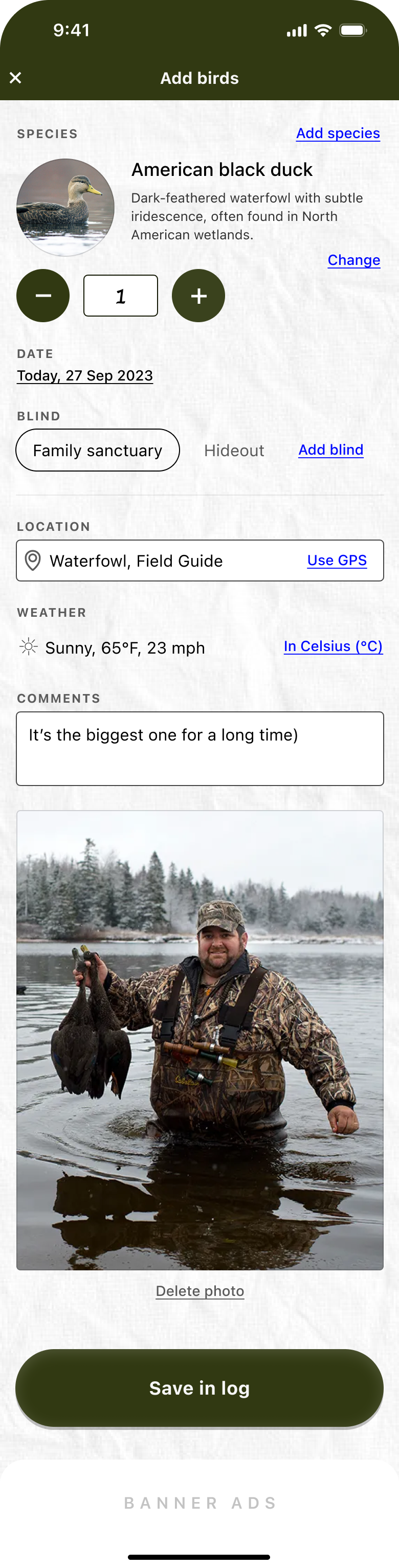
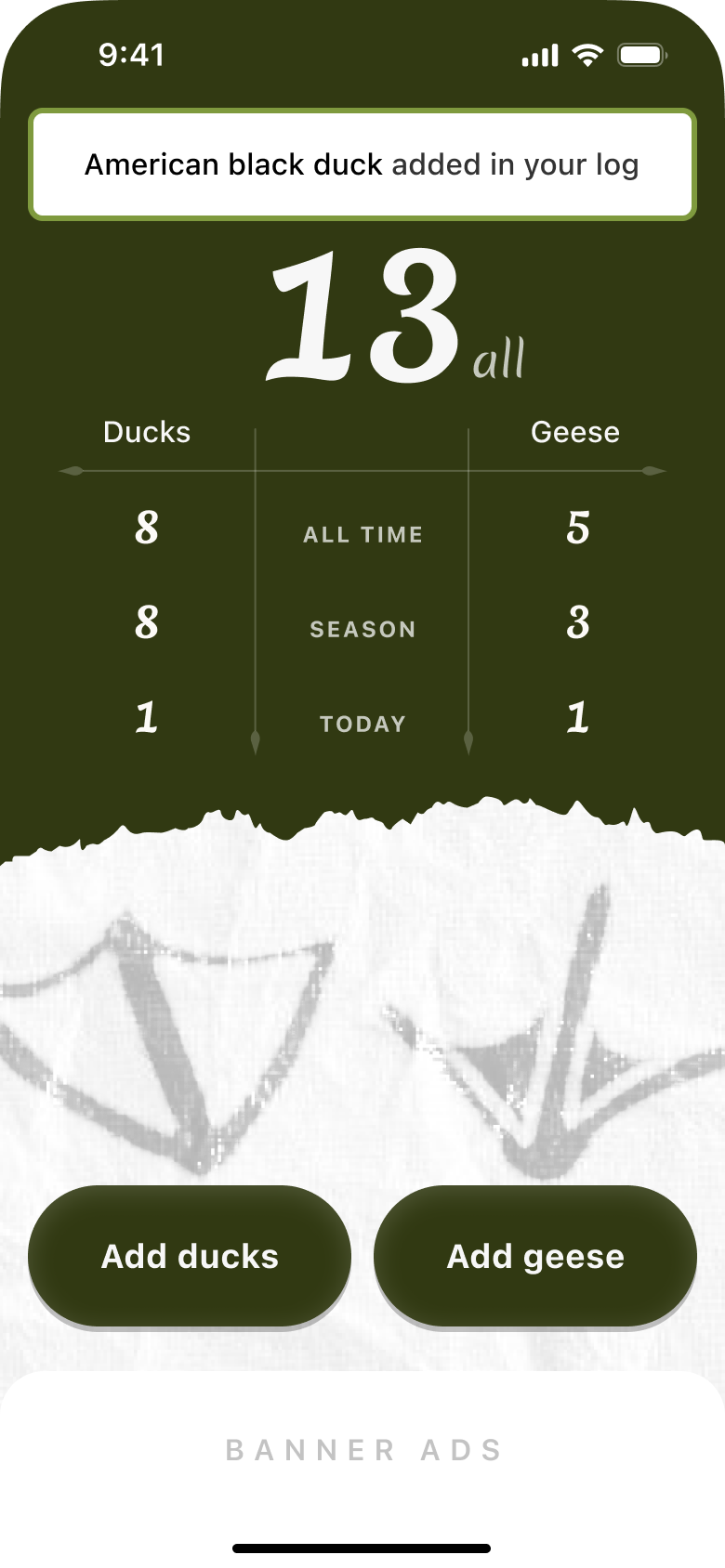
I’m excited to announce that there are changes on the way. First, thanks to the request of a user, you will now be able to edit the names of the blinds you create. Next, the graphics/UI will be updated to make your experience flow even better.

What to Look Forward to

The first of these changes will be out in early October. This release will have the new look for the Home screen and gives you the ability to edit the names of your blinds. Then, in November, a complete recoding of your app will come out so that you can access your data from anywhere and never lose it! Also coming in November will be new graphics/UI throughout your app, and new features including weather, location, and notes will be added.

I’d Appreciate Your Help

Your input, and reviews, are greatly appreciated! I’ve built this app because I’m a hunter. I pay for everything out of my pocket, which, as a teacher, isn’t deep! If you enjoy it please let others know. And feel free to make donations to help fund these changes.

Featured

My Duck Log How to Video Series

Video One: Getting Started

Video One: Getting Started with My Duck Log

I’m in the process of putting together a series of videos to help users navigate their My Duck Log app because I’d hate to have people get frustrated or waste time trying to figure out how to quickly use it.

I’m no big company – it’s just one guy (me), so bear with me. The videos are simply recordings from my phone and free editing software. You’ll hear my dogs, I’ll stumble on my words, and make mistakes (*like saying “Dabbing” instead of “Dabbling”). Let me know when I do.

I rely on free ads to help make up for the thousands of dollars I’ve put into developing this and my other apps. I’d appreciate you clicking on those little banner ads at the bottom of the app and spreading the word!

As I expand features, new videos will be released.

Video Two_My Duck Log: Editing and Deleting Your Hunt Records

Video Two: How to Edit or Delete Records
Featured

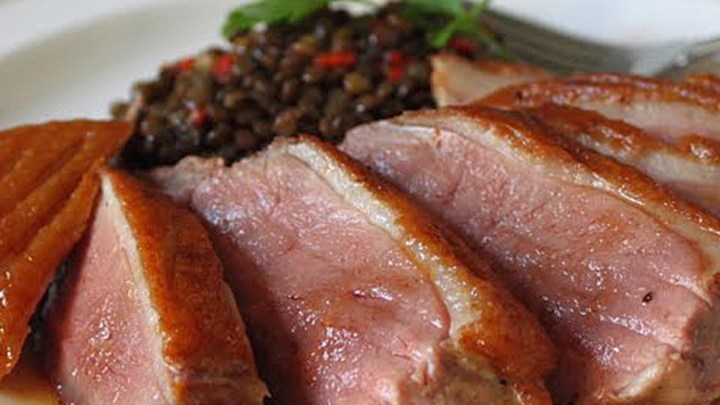
Duck Breasts with Grand Marnier Sauce

Impress dinner guests with a simple but elegant recipe

by Scott Leysath

My style of waterfowl cooking is typically fast and furious. High heat, a splash or two of liquid ingredients, a handful of herbs or vegetables, and we’re ready to eat. Many of my wild game meals involve eating grilled duck while standing around a fire at a remote duck camp. On special occasions, however, I want a duck dinner to be more than just a feeding frenzy.

Duck breasts with Grand Marnier sauce is an impressive, flavorful dish that is easy to prepare. Serve it with a starchy side dish and seasonal vegetables. Prepared in a separate pan, the sauce will be vibrant and colorful. This dish can also be made in one pan by putting the sauce ingredients on top of the duck breast fillets as they cook, but the color of the sauce will be darker and less impressive. As an alternative to cooking with liqueur, you can substitute 2 tablespoons of orange juice concentrate and a drop or two of vanilla extract in place of the Grand Marnier.

Duck Breasts with Grand Marnier Sauce

Preparation Time: 10 minutes                         Optional Seasoning Time: 1-2 hours
Cooking Time: less than 12 minutes                Serves: 4

Ingredients

  • 4-6 skinless duck breast fillets
  • 3 tablespoons olive oil
  • 1/2 teaspoon kosher salt
  • 1/4 teaspoon white pepper
  • 1/2 teaspoon ground coriander
  • 1 tablespoon sugar
  • 1 cup freshly squeezed orange juice, strained
  • 1 tablespoon orange zest
  • 1/3 cup Grand Marnier liqueur
  • 3/4 cup chilled butter, cut into 6-7 pieces
  • 2 green onions, shredded lengthwise

1. Rub the duck breast fillets with olive oil, salt, white pepper, and ground coriander. If time allows, wrap the seasoned duck in plastic wrap and refrigerate for 1-2 hours. Heat a large skillet over medium heat and brown the fillets on both sides or until medium-rare, about 4 minutes per side. Transfer the duck to a plate and lightly cover with foil for 5 minutes.

2. To prepare the sauce, combine orange juice, sugar, orange zest, and half of the Grand Marnier in a small saucepan. Bring to a boil, uncovered, over medium-high heat. Reduce heat to medium and simmer until the liquid is reduced to 2-3 tablespoons. Remove the pan from the heat and whisk in butter, a few pieces at a time, until thoroughly blended, and then whisk in the remaining Grand Marnier.

3. Slice duck diagonally into 1/4-inch-thick slices. Spoon the sauce onto plates and arrange the duck over the sauce. Top the duck with shredded green onions.

Featured

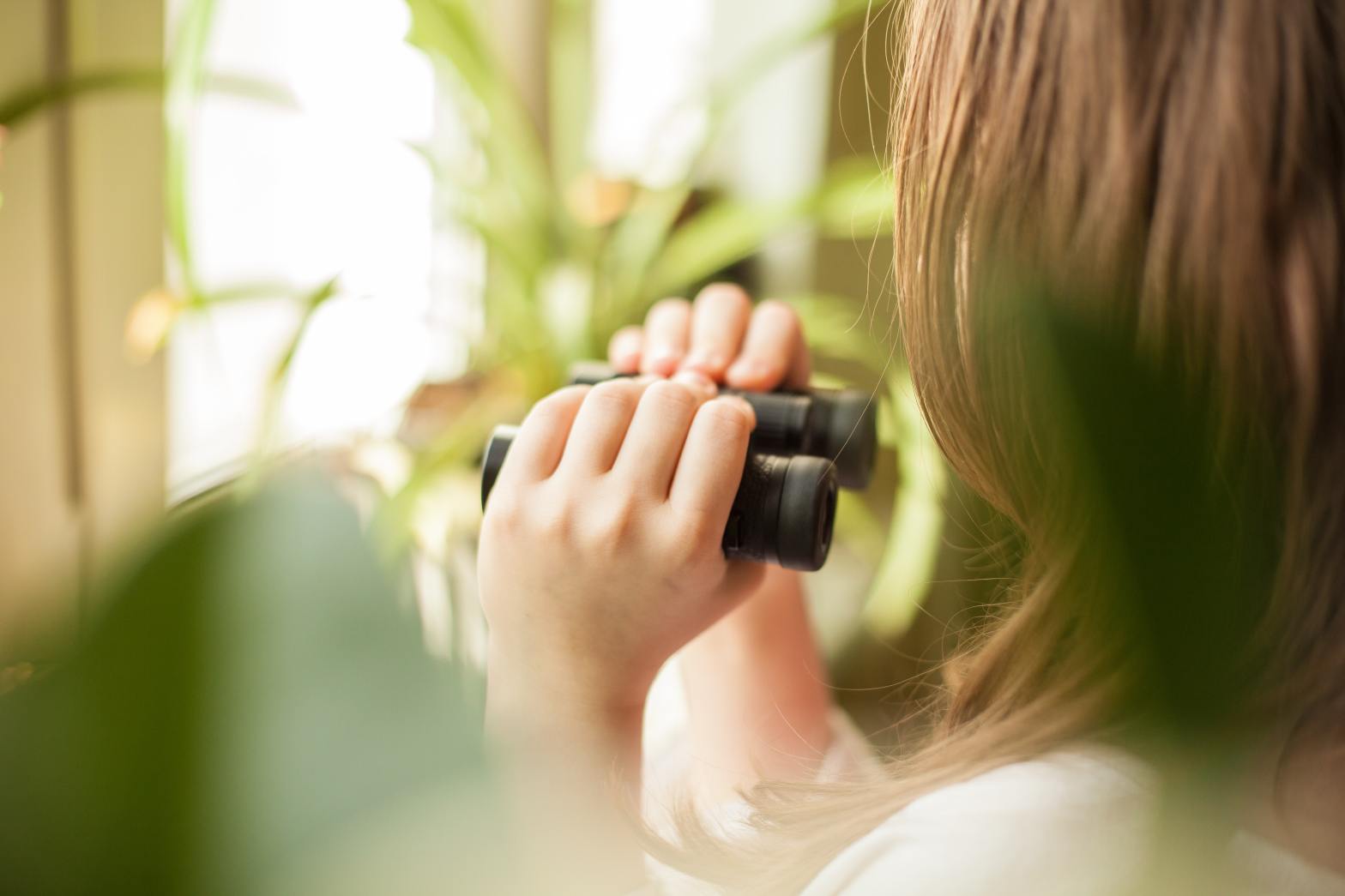
This is the Right Way to Choose Binoculars

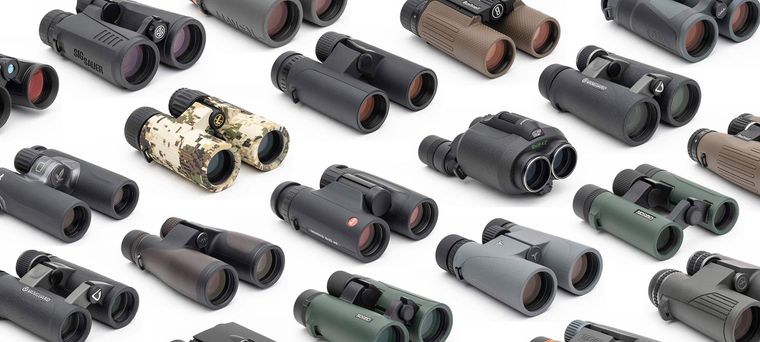
Binoculars have a lot of different uses and there’s a lot to know to ensure you get the pair that’s perfect for you!

Ask Questions First

So you want to get binoculars? Great! Head down to your local sports store or jump online and order a pair with big numbers, spend the maximum you can afford, and you’ll be happy as can be. Eh! Wrong.

You wouldn’t call a shoe store and say “give me the biggest size you have that cost $100”. There are a few things you better be descriptive about. Say, men’s or women’s? Your particular size?… How about this one – What are you going to use them for?

When it comes to buying binoculars, you gotta know when, where, why and how you plan on using them.  For hunting? That’s a start. When? Early morning and evening when the light is low? Or, during the day in bright light? Are you in a blind, or moving? How far away do you want to see? Do you wear glasses?

How about for star-gazing, or bird watching? Maybe for whale watching, or just out hiking? What about to watch a football game from the upper deck? Or at a concert?  Hmmm, time to think about size and weight. And, do you need waterproof or water-resistant?

Confused?

Here are a couple of guidelines that will make your purchase one you’ll be happy with.

Determine use – How, When, Where, Why, How Often, What do you need to see?

Set a price range – Without including night vision or range-finding binoculars, the cost range is anywhere from $30 to $9,300. Don’t let a low cost keep you from buying the perfect binoculars for your situation.

Done? Great! Here are some definitions to help you pick the best binoculars for your use.

Magnification

This is the first number used. General-purpose use ranges are from 7-10X. This means that objects appear that much closer.  A robin that is 100 yards away looks like it would at 10 yards with a 10X lens. Here’s the catch, as magnification goes up, your field of view (how much of something you see) goes down and shakiness goes up.

Diameter

The second number is the diameter, in millimeters, of the main lens. Diameter determines how much light gets in. The larger the diameter, the more light and the heavier they are. The diameter should be at least 5x the magnification, so 10X binoculars should have a diameter of 50mm. Anything less means that there may not be enough light, depending on the amount of light available.

Adjustable

Some binoculars have a zoom function. For example, a 6-9×42 allows you to focus the magnification from 6x to 9x. The larger lens, known as the objective, is 42mm. Keep in mind that in this example, a 42mm objective would not allow as much light in at full magnification.

A few binoculars have diopter control, meaning that you can focus each lens individually. You’ll pay much more for this feature.

Besides being able to adjust the focus many binoculars also allow you to adjust each of the eyepieces for a better fit.  This is usually done by squeezing the two sides together and pushing them apart.

Eye Relief

Eye Relief is the distance you can hold the binoculars away from your eyes and still have a full field of view. Having a long eye relief, say of 16mm or greater, reduces eye strain and is critical if you wear glasses.  Look for an eye relief of 17mm to 19mm in order to capture the complete FOV the binocular was intended to show if you wear glasses or you will be looking through the binoculars for long periods of time.

Exit pupil

Hold a pair of binoculars away from your eyes about 10 inches. You’ll see a white disk in the center of each eyepiece.  That’s the light coming to your eyes. It should match the size of your pupils. As we get older, that size drops. My exit pupil at 50 years old is 5mm. My 25-year-old son has an exit pupil of 7mm. To find out what the exit pupil size is of the binoculars, divide the magnification into the diameter of the objective lenses. For example, 8×40 binoculars have an Exit Pupil of 5mm.

Prisms

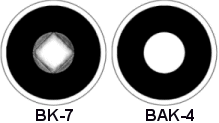
BK 7 glass works fine in most situations

The two most common types of prism glass are the BK7 and BAK4. BK7 is the most common. The difference comes from the quality of the glass and how finely ground it is. BAK4 is considered better because it gives a round exit pupil, meaning you have a clearer picture. BAK4 prisms cost more and most common situations won’t need the difference. Be aware! There’s a difference between the barium-made and the cheaper Chinese phosphate-made crown glass.

ED and HD Glass

ED or extra-low dispersion glass lowers how much light separation there is. It reduces colored edges while giving clearer and sharper images. It also provides colors that are truer, greater contrast, greater resolution and better performance in low-light. Like all components, these come in different levels of quality.  Also, keep in mind that it takes more than just the glass to make a quality pair of binoculars.

HD or “High Def” is really nothing more than a marketing term for ED glass. Unless specifically noted, ED and HD glass mean the same thing. Some consider the highest quality glass to be FL, made of fluoride.

Lens Coatings

There’s nothing more frustrating, and hard on the eyes than looking across a body of water with the sun shining across it. That glare makes your binoculars useless unless they have a coated lens. The coating removes the glare and brings in more light. There are four levels of coating. With each additional layer of coating comes an increase in price.  Here’s what to look for:

Coated: A minimum of one lens with one coating

Fully-Coated: Each of the air to glass surfaces has a single  layer of coating

Multi-Coated: A minimum of one lens with multiple layers of coating.

Fully Multi-Coated: Each of the air to glass surfaces has multiple layers of coating.

Porro Prism or Roof Prism

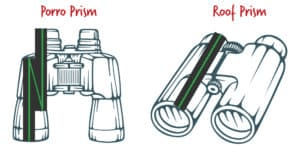
The Porro Prism binoculars are the original design. The eyepiece and the objective lens are not in a straight line. The Roof Prism binoculars are in a straight line. While this makes the Roof Prism ones more comfortable to hold and are more compact, you’ll have to pay more to get the same level of quality you’ll find in the Porro Prism design. The best bang for your buck, in the medium to low-cost binoculars, in terms of overall quality is found with the Porro Prism design.

Putting it All Together

Now that you know what your options are, you probably have a good feel for what you need. Let’s look at some common uses and recommendations.

General Purpose – let’s define these as the binoculars you keep in a drawer, at home. You pull them out every once in a while to look at a bird in your yard during the day or take with you on an occasional hike.  Choosing a lighter, compact, set with an adjustable range of magnification from 7-10X with an objective of at least 42, will provide you a good solution at well under $100.

Bird Watching – there are a lot more choices here. For general birdwatching, during the day in dry weather, a roof prism with at least 8X magnification and an objective of 42mm is a good start. Keep in mind that you want a good field of view to help you spot the birds. Most birders recommend water-resistance also. Use 10×50 or 12×50 for greater detail of smaller species at a distance.

Hunting – for low-light situations be sure the objective is at least 5X or greater than the magnification. If you are looking at long-range shooting, say over 300 yards, consider fully multi-coated, 12 X 60, with ED glass and a tripod as a mount. If hunting under 200 yards, during the day, choose magnifications greater than 8 and a 40mm objective. Make sure they are waterproof and fog proof!

Star-gazing – high magnification and a large objective lens are required. A magnification of 15 or greater, with a diameter of 70mm, will be found on your top-end glasses. Yet, many people who just want to scan the skies will choose a lightweight 8×42. When considering a high-end set, buy with your exit pupil diameter in mind.

Concert/Theater – Weight and ease of use are important factors. Consider the compact (roof prism) binoculars with a wide-angle are best. 4×30, 5×25, 8×25 and 7×18 or 7×21 are all great for the opera, theater and concerts.

Conclusion

As you can see, binoculars, like shoes, come in a lot of varieties. You need to know how and where you intend to use them and what features fit you best. It would be easy to buy the wrong product if you didn’t take time to learn about them.

But you did, and now you have some guidelines. You know more about binoculars than most people. You’re ready to go into the store with confidence that you will make a great purchase.

I’d love to read about what you bought!

Featured

This Is How Hunting Led to an Amazing Encounter

I heard they were out there but never dreamed of coming face to face with one.

It is Saturday morning, 4:12 am; the alarm is beating out “Should I Stay or Should I Go?” by The Clash. Hmm, good question. My bed is warm and comfortable. The wind is howling and the rain beating the window.

Do I really want to get up to sit out in that weather for the next few hours? Of course I do! I am a duck hunter. When others are sleeping we are out in the field getting soaked with big dreams of limiting out, even when we know we may not see a single bird. I know, it’s kinda crazy.

The rain let up but the biting wind was gusting up to 35mph. Light was an hour away as I crawled up the bank. I made my way into position on the near side of the pond, wrapped the burlap camouflage around me and waited. The rain and wind chilled me to the bone. I was losing the feeling in my hands.

The occasional honking of geese and the sonic whooshing of ducks landing kept me hopeful. It was bound to be a glorious day. But what I imagined would happen, and what was to be reality were not the same.

Image by Ray Lotier on flickr

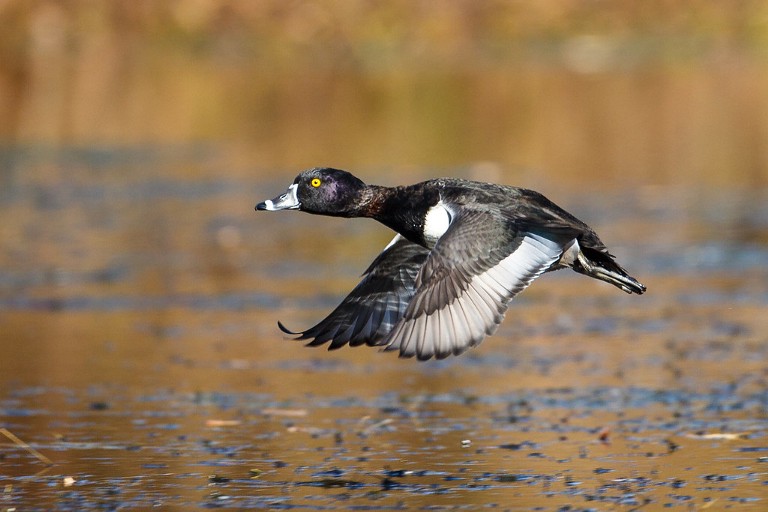
Officially, hunting hours were upon me. Due to the lighting I wasn’t positive the five ducks I had in my sights were legal. I was confident that one of the silhouettes was that of a Pintail and the other a Ring-neck. They’re legal. I wasn’t sure what the others were and I won’t shoot first and identify later. I chose to only take two.

The commotion caused the geese to take flight in a pattern far out of reach. I would have been safe taking a few of the ducks. But I feel good about my decision to identify my game first. I would have other opportunities.

Unfortunately, the opportunity wasn’t going to be on this day. Four hours after that first shot, I decided it would be a good day to look for Mountain Quail. I packed up and headed north.

An overlook in the Horseshoe Ranch WA, California

The Horseshoe Ranch Wildlife Area has been a great place to find abundant quail and rabbit. It also appears to be turkey country though I have never seen more than tracks there.

After a mile into the hike, the rain began to soak my clothes. I chased down a few birds and drudged on toward the Oregon border.

The rain finally let up and the gulch I was following for miles yielded more beautiful birds.

Having accomplished my goal of hiking as far into the wildlife area as I hoped, and with a few birds in my pouch, I set off on my return. That’s when the real pay-off of this arduous hike came.

I was about one hundred yards into an opening with a stand of mixed oak and pine to my right when I heard the rapid sound of pounding hoof beats and a strange hissing/snorting coming towards me. My heart quickened and I froze in place.

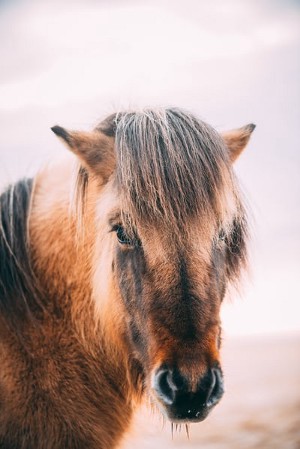
I couldn’t imagine what was making this disturbance. I jolted around to see a big, reddish-brown wild horse dead in her tracks as I heard myself hissing back.

Image by Christopher Rusev on Unsplash

We stood motionless, staring at each other. I searched the area for others as I supposed this giant beautiful creature was doing as well.

A moment passed and the creature walked back into the protection of the woods. I stood for a moment longer, month still open, digesting what I had experienced. I gathered my thoughts and continued on my way.

I rested upon a hillside that overlooked the bright reds and oranges that made up the fall scenery. My mind wandered into the many amazing past experiences I have enjoyed because I decided that getting up at some ungodly hour and submitting myself to nasty conditions would somehow be worth my time and probable discomfort.

As sat there, I became aware of how sore my legs were. I was wet, tired, hungry, and still had almost two miles to hike back.

None of that mattered. I had experienced something incredible. An experience those who choose to stay in their warm, comfortable beds will never know. That’s why I woke up early.

The hope of one new experience is why I will continue to pack my gear up and down hills, sit in the rain, drudge through creeks, or drive for hours into unknown areas. The discomfort goes away while the memory stays forever.

Featured

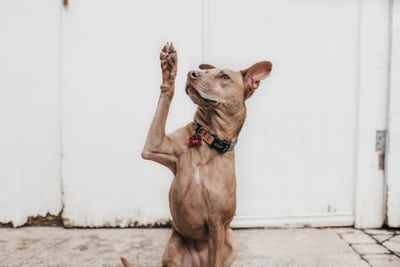
Foolish Old Man, You Ain’t That Tough!

“This Is Why You Really Gotta Have a Dog.”

Attempting to swim in a half-frozen pond was stupid. Funny. But Stupid

Hey! I was 17 Once

I started waterfowl hunting when I was 17 and have continued to hunt for years since.

I regretted not taking my own son out to share the joys I had experienced. So I got excited when the opportunity to take one of my high school students along. I was eager to share my expertise and give him a memorable experience.

I thought of what it was like to go hunting at 17 as I planned for this outing. I didn’t think about being practical, much less comfortable when hunting ducks.

All I needed at that time was my Winchester 1100 and a box of shells. Maybe some alcohol. If I had to break some ice to retrieve a couple of Greenheads I would jump up and go after them. Next, I’d run to the truck, turn the heater on and wait 15 minutes. When I stopped dripping I’d return for the next round.

But I am no longer 17 and I should be wiser.

We had a strategy

It felt like a warm day. The sun was out and the temps were up in the high 30’s. Ice still covered a large part of the pond but we could hear it cracking among the cackling of geese.

Image by Roman Averin on Unsplash

After determining our prey’s location, we devised our strategy. We would crawl up the side of the bank on the southern slope. There, we’d listen for a minute to confirm the location of what we knew were to be big, beautiful, fat Canadians. And then we’d target our prizes like soldiers on the battlefield.

Unfortunately, that’s where our planning ended.

Did I Forget One Detail?

I can’t believe I had thought of everything about this hunt except for one detail. How we were going to retrieve birds left on the ice was not considered. How could I leave out that detail? I am supposed to be wiser.

Well, you can guess where are all our birds were that day when we jumped up and unloaded our guns. Yep, four Canadians and one Mallard all on the ice 45 to 60 yards away. Now, all we had to do was go get them. Uh, yeah.

Sure, I knew it was colder than earlier this season when I went in after some birds. But I was going to show the kid what it meant to be tough. How bad could it be? I used to jump in without even thinking about it.

I’d Show Him How Tough I Was

Besides, I didn’t want this kid to have the chance to jump right in, grab the birds, and show up the old man. That was it; my ego was at stake. Freezing water would be no match for me!

Yeah, right. I made it out about 40 yards when I felt my heart pounding, cramping in my legs and my breath getting shallow.

Crap! I’m going to die out here!

I came to my senses (whimped out), turned around, and headed for shore as fast as I could.

Outsmarted

The kid, who never even considered going after them, was laughing like a hyena as he videoed the whole thing. He then called one of his buddies. I sat dripping and shaking, humiliated while he recounted the story to his buddy. The boys continued to laugh as they watched the video over and over again.

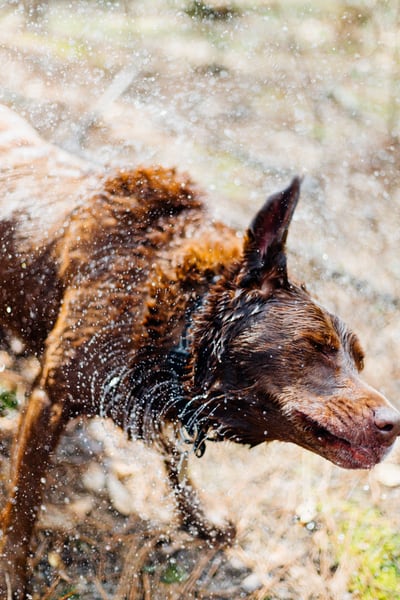
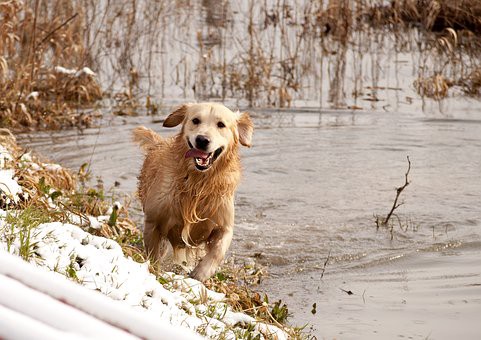
The other kid brought his Golden Lab. With his tail wagging, he retrieved our birds.

Image by Deedee86 on Pixabay

The kid later confessed he told his friend to stand by with his dog.

Before leaving I thought I should jot myself a reminder. A few old familiar words were all I needed: “Prepare or Die”.

I guess it goes to show that being older doesn’t make you any smarter. At least I accomplished what I set out to do that day; I gave that kid an experience he’ll never forget.

Featured

What Makes Northern CA a no Surprise Paradise?

A Tale of Fins and Feathers

The opening weekend of the stream fishing season is full of hope for warm days, campfires, hikes, fun surprises, plus a creel full of fish. This particular weekend in paradise included a special addition: a pheasant hunt. Brad Henman, is the owner of Clear Creek Sports Club, located behind the Rolling Hills Casino. He had arranged a special hunt for us.

The Leadup

In the past, I would join my friends Dave, John, and Mark, at campsite #50 of Hat Creek campground. We would scout for developed holes and for fish, so we could claim our spot early the next morning. But this was not a usual Friday before the opener. I took on the job of coaching our high school softball team and we had a double-header that afternoon. Now, instead of filling my car with fishing poles, coolers, a tent, and other camping gear, I spent Thursday evening packing the back of my Outlander with softball equipment. The middle seat would have to hold the sparse supplies I could fit in for fishing and the pheasant hunt on Sunday.

As I replaced the line on two poles the excitement of what was to be a very full weekend filled my head. I was going to drive to the games, meet the guys at the camp, and fish until Saturday afternoon. Next, I would drive 60 miles to spend the night with a friend. After that, I had 50 miles the next day to go hunt pheasant at the Clear Creek Hunting Club. Finally, it would end with a two and a half-hour drive home.

Fishing

Friday afternoon in Fall Rivers Mills had perfect softball weather. It was sunny skies, no wind and warm. Our girls played great ball and as we headed into the last inning of the second game I found my mind wandering again. What will the creek hold for me this year? Can I land another of those big Brook Trout that seem to hide amongst the smaller Rainbows? I left the field and headed south towards Old Station. I stopped on the way to grab a roasted chicken at the local market.

The campsite was set up but void of my fellow anglers. They had gone out scouting after fishing Clear Lake that afternoon. When they returned, we sat around the campfire. We recalled stories of fishing adventures and life events of the previous year. I made plans for an early departure. Three AM? Is that what Dave was planning? No way! I mean, sure, I want to get a great spot. But I didn’t even know where that was going to be because we were all going to go our separate ways.

3 AM is crazy. I set my alarm for 4:07 AM. At 2:22 AM and I am awakened by a noise outside of my tent. NO! It can’t be time to get up, not yet. I poked my head out of the tent, still wrapped in my comfortable down bag. I watched Dave as he loaded his Pathfinder and headed out. Humph. The alarm wakes me at 4:07. Jacket, gloves, headlamp, instant coffee and rods gathered I hike to the stream in search of a great spot.

How I am going to find a great spot in the dark is beyond me. But I claim a spot along a beautiful little stretch that offers a deep hole at the end of a rapid and has a cut bank close by. It’s 5:19 AM. The moon is full and I expect to see a parade of headlamps wandering about the woods for the next half hour. I fidget in the cold air, eyeing the handful of anglers traipsing about. I’m ready to defend my hallowed ground. Lights on the other side of the stream approach. I turn on my headlamp and face their way as if to say: “Not here! This spot is mine”.

But they never get close and I go back to focusing on keeping my fingers from going numb due to the cold. 6:03 AM — I scan the eastern horizon waiting for the promise of light. 6:12 — my shadow from the moonlight is finally gone. I can see the water quite clear. It’s almost time. I am at a perfect spot. The report from the guys the night before was that there are fish everywhere. I am going to slay them!

Where did they go? All those fish that should be waiting for me to fool into my creel? Perhaps they moved downstream so I hike, tossing in my line along the way. I chat with others as I go. “Nope, haven’t caught a thing” I repeated as I move along. I pull out a solitary small Rainbow that is barely big enough to be bait. I continue searching until I find Dave. Thirty seconds after my arrival he’s exclaiming “I knew they were here!” as he pulls in the first of several nice-sized Rainbows from under a log submerged in the stream.

Landing the Big One

Dave is one of the nicest guys you could meet. He is always cheerfully working to make sure that everyone else is completely cared for. Want to go fishing? Dave will have a rod, tackle, snacks and all ready for you and then he’ll point you to fish, wait for you to catch your limit and, of course, clean them all!

I didn’t hesitate when he pointed at the underside of the log, telling me to try to present my worm “right there”. But there wasn’t enough room so I scanned the area. Fifteen feet away from the roots of a small tree, along with other entanglements, offered shelter in the cut bank. I carefully guided about eight feet of line between the snags that waited to entangle my line.

With my index finger on the line, I inched the bait back towards me. Stuck. Wait. Stuck? No, that was a light pull. I respond with a continuous light pull of my own. BAM! The tip bends, the line pulls down across my finger. Fish on! Now, how am I going to maneuver this guy out between the roots and snags? I have lost too many monsters due to impatience but after forty-three years of practice, I finally get it.

Eight minutes is an eternity when working a trophy out of its’ home. It was five minutes until I finally caught the shimmer of its’ golden, spotted side. Yahoo! Patience pays off with a 23-inch, 3.5 LB Brookey.

Of course, I walked the long way back to camp. I made sure the wanna-be anglers got an eye full of my great accomplishment. I was obscure in my description of where I bagged this beauty but offer hope to all along the way. I tried a few more spots, but have to settle with this solitary prize. That is until we drive to another spot that afternoon, where we all land several small browns.

On the road

I left my friends late Saturday afternoon. I stopped to spend the night outside of Redding, at the ranch of a good friend, and a regular guest shooter on the TV show “ California Shot-Gunners”. We inhale some coffee, load the gear and dogs into another friend’s truck and head south towards Corning. James and Randy are both big boys. They’re over 6’3″ and 250 lbs so there is no question about who is riding in the back seat with the two dogs.

Carriers in the back of the truck? Not for these hunting partners! The black Lab is 3 years old and trained for waterfowl. Raleigh, a German Wire-Hair. He’s a rescue dog that came from a kennel in southern California weeks before and is still gun shy. We meet the other two at the club. One more dog joins the group. Abby is a 7-year-old Golden Lab with lots of field experience but not much time out lately. The local temperature has been in the low to mid 90’s. We are not expecting to hunt very long.

Feathers

The air is cool and there is a light breeze at 8:30 AM when the first pheasant was set out into the field. There were five hunters, three dogs and a total of 35 birds. 14 birds went out for the first round, and then 21 for the next round. After that had the freedom to hunt the property for birds leftover from earlier in the week.

We watched the first five birds dart off into other fields before we even step into our designated site. We shot seven birds. Randy, Randy (yep, two Randys) and I bring them down with simultaneous shots from two of us, six of seven times. We stopped for a break at the truck. “Sheeze!’, James proclaims ‘this is the last time I’m going to hunt with a bunch of guys who never miss!”

One hundred feet into round two and Abby is on the point. I am on the interior edge of our line and don’t bother with that bird. Instead, I scout the ground for the rooster that I know is there. Bam! Bam! James and Randy each take birds. I set my eyes back down, about 30 yards out. There, a movement. A redhead and bam! My first solo rooster of the day. The weather cooperates with a cooling breeze and water is available for the dogs. We hunt out that field taking another thirteen birds before taking our lunch break.

Dogs and hunters alike enjoyed a lunch of hickory-smoked ribs from the night before, with lots of water and jerky. We decided to move along the northern border of our field. Then, we cut back along the other side that has a stream and heavy cover. I moved between the top and bottom of the small ridge that divides the two fields. The dogs are on my far right.

Raleigh is settling into his role as he mimics the actions of the other two. He flushes out a hen. Randy O. swings his over/under up along his hip, at the sky-rocketing bird launched from a missile pad. Bam! One-shot from the hip and that hen drops at Randy’s feet.

I catch a quick movement and scan the far edge of the bank. Another rooster! My shot knocks the bird sideways. I call the dogs and we search the blackberries along the steep ledge where it once sat. Ten minutes later I accept that I became responsible for the only lost bird of the day.

It was a good day. The weather cooperated. Everyone got in quality shooting, and Raleigh proved to be a natural hunter and great asset. Of course, in true fashion of all my adventures, the hunt ended with the last bird coming with a bit of difficulty.

We pushed through the last field of the day, staying along the water’s edge. Randy H had trudged through the flooded field of Cattails. With thirty feet remaining of hunting, a hen flushed out behind me, moving to my left. One-shot and she falls into the cattails. Heck yeah! I am proud of that one!

Russ and Randy spot her. Abbey jumped in for the retrieval. But Abbey had a long, tiring day. She picked up the bird and began to swim. Unfortunately, she swims in a circle and spits the bird out: she’s done. Randy does his best to convince Abbey to “get the bird” but she can’t go any further. Instead, Randy becomes the retriever, plodding through the marsh in water up to his knees. Against the odds, bird number 25 will go home with us.

California’s Top Waterfowl Hunting Areas

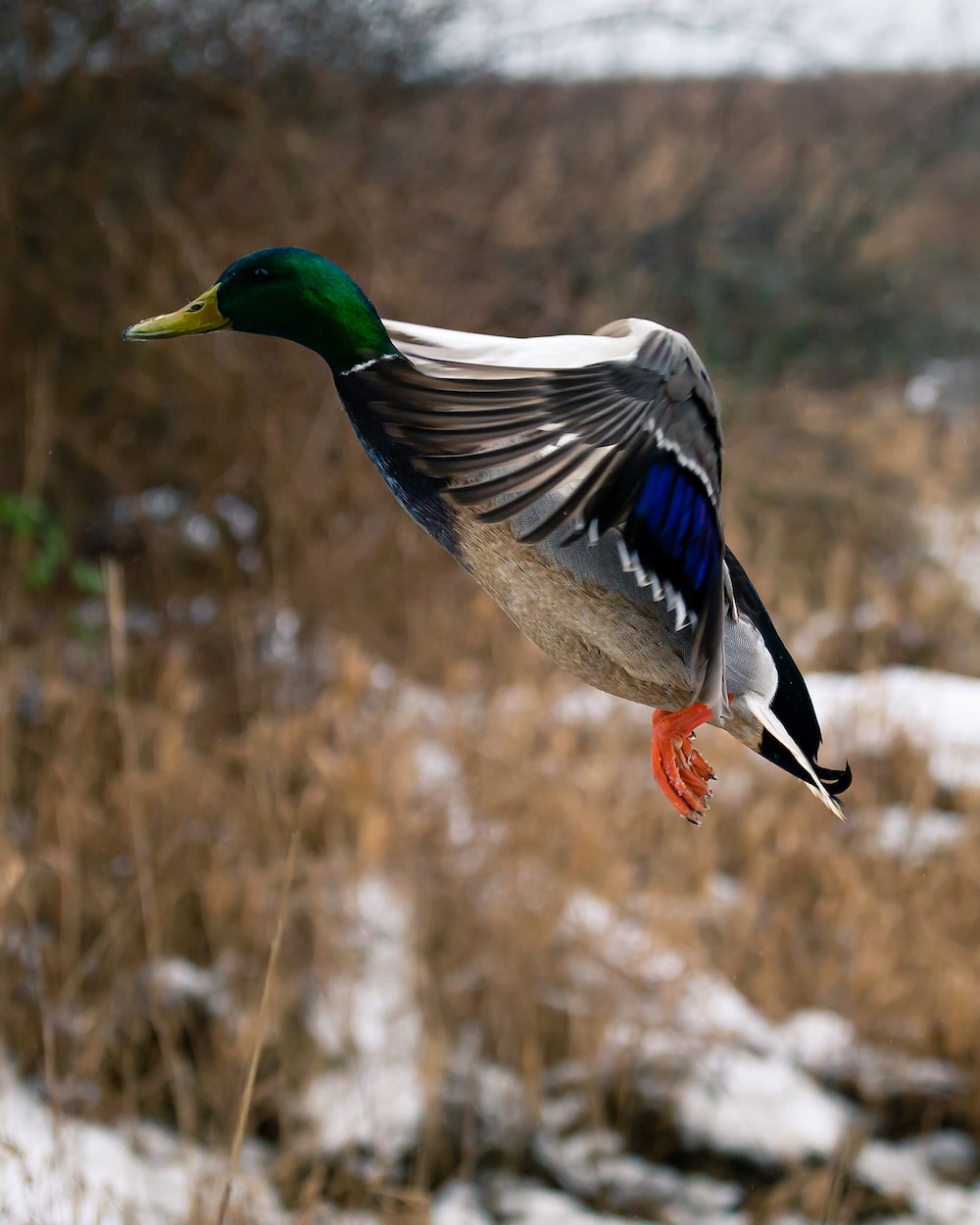
mallard duck on brown grass during daytime

Image Source: Unsplash‍

Immersing yourself in California’s stunning natural landscapes while indulging in waterfowl hunting is truly an unparalleled experience. From the expansive marshes to the serene wetlands, California boasts some of the finest waterfowl hunting areas in the United States. In this article, we unveil the top ten waterfowl hunting spots across the Golden State, where avid hunters can revel in the thrill of the hunt amidst breathtaking scenery and abundant waterfowl.

Discover the ideal hunting grounds tailored to your preferences, whether it’s the rich bird diversity of the Sacramento Valley or the tranquility of the Suisun Marsh. Each locale offers unique opportunities for waterfowl hunting, promising an unforgettable adventure for outdoor enthusiasts.

Prepare to navigate the state’s diverse terrain, from Northern California’s picturesque foothills to the wetlands of Southern California, as we delve into the top waterfowl hunting destinations. Whether you’re a seasoned hunter or new to the sport, California’s diverse and thriving waterfowl habitats are sure to captivate and inspire your next hunting expedition.

Understanding the regulations and requirements for waterfowl hunting in California

California’s waterfowl hunting regulations are carefully managed to ensure sustainable hunting practices and wildlife conservation. Hunters must obtain the appropriate hunting licenses and stamps, adhere to bag limits, and comply with specific hunting seasons for different waterfowl species. The California Department of Fish and Wildlife (CDFW) provides detailed guidelines and updates on hunting regulations, ensuring hunters are well-informed and compliant with legal requirements. Understanding these regulations is crucial for responsible and ethical hunting practices, contributing to the preservation of waterfowl populations in the state.

Top three waterfowl hunting areas in Northern California

  1. Sacramento National Wildlife Refuge Complex: Spanning over 10,000 acres, this complex offers prime waterfowl hunting opportunities amidst its diverse habitats, including seasonal wetlands, grasslands, and riparian areas. Hunters can expect to encounter a variety of waterfowl species, making it a popular destination for bird enthusiasts and hunters alike.
  2. Sutter National Wildlife Refuge: Nestled along the banks of the Sacramento River, this refuge provides critical habitat for waterfowl, offering a tranquil setting for hunters to pursue their passion. With its extensive marshes and managed wetlands, Sutter National Wildlife Refuge presents an ideal environment for waterfowl hunting, attracting a wide array of migratory birds during the hunting season.
  3. Butte Sink Wildlife Management Area: Known for its expansive wetlands and seasonal marshes, Butte Sink WMA is a haven for waterfowl hunting enthusiasts. The combination of natural and managed habitats supports diverse waterfowl populations, providing ample opportunities for hunters to engage in their favorite pastimes.

Top three waterfowl hunting areas in Southern California

  1. Salton Sea National Wildlife Refuge: Situated along the shores of the iconic Salton Sea, this refuge is a vital stopover for migratory waterfowl, offering hunters a unique hunting experience in a desert setting. The refuge’s diverse habitats, including open water, mudflats, and agricultural fields, attract an abundance of waterfowl species, providing hunters with a rich and rewarding hunting experience.
  2. San Jacinto Wildlife Area: Encompassing wetlands, ponds, and upland habitats, the San Jacinto Wildlife Area is a premier waterfowl hunting destination in Southern California. Its strategic location along the Pacific Flyway ensures a constant influx of migratory birds, making it a favored hunting spot for enthusiasts seeking diverse waterfowl species and picturesque landscapes.
  3. Wister Unit of the Imperial Wildlife Area: Renowned for its expansive wetlands and seasonal marshes, the Wister Unit offers exceptional waterfowl hunting opportunities in the heart of Southern California. Hunters can expect a variety of waterfowl species, with the landscape providing a captivating backdrop for memorable hunting experiences.

Tips for a successful waterfowl hunting experience

  • Scout the hunting areas in advance to familiarize yourself with the terrain and potential waterfowl hotspots.
  • Utilize quality decoys and calls to attract waterfowl effectively, enhancing your hunting success.
  • Stay concealed and practice patience, as waterfowl hunting often requires stealth and perseverance to achieve favorable outcomes.

Essential gear and equipment for waterfowl hunting in California

When preparing for a waterfowl hunting expedition in California, essential gear and equipment play a crucial role in ensuring a successful and enjoyable experience. From reliable shotguns and ammunition to specialized clothing and accessories, hunters must equip themselves with the necessary tools for a safe and productive hunt. Additionally, investing in quality decoys, blinds, and calls can significantly enhance the effectiveness of waterfowl hunting strategies, maximizing the potential for a rewarding outing in California’s diverse hunting grounds.

Conservation efforts and organizations supporting waterfowl hunting in California

Waterfowl hunting in California is not only a cherished tradition but also a vital component of wildlife conservation and habitat preservation. Numerous organizations, such as Ducks Unlimited and California Waterfowl, are dedicated to promoting conservation initiatives and habitat restoration, ensuring the sustainability of waterfowl populations and their habitats. Through collaborative efforts and advocacy, these organizations contribute to the continued prosperity of waterfowl hunting in California, fostering a harmonious balance between conservation and outdoor recreation.

Safety precautions and ethical considerations in waterfowl hunting

Prioritizing safety and ethical conduct is paramount in the realm of waterfowl hunting, emphasizing the importance of responsible firearm handling, hunter education, and adherence to hunting regulations. Hunters must exercise caution and respect for wildlife, maintaining ethical hunting practices that align with conservation principles. By incorporating safety measures and ethical considerations into their hunting endeavors, enthusiasts can uphold the integrity of the sport while ensuring the well-being of both wildlife and fellow hunters.

Best times of the year for waterfowl hunting in California

The optimal timing for waterfowl hunting in California varies according to the migratory patterns and hunting seasons of different waterfowl species. Generally, the fall and winter months mark the peak hunting seasons, coinciding with the arrival of migratory waterfowl in California’s wetlands and wildlife areas. Understanding the seasonal movements of waterfowl and the corresponding hunting regulations enables hunters to plan their expeditions effectively, maximizing their opportunities to engage in successful hunting experiences amidst California’s picturesque landscapes.

Conclusion and the future of waterfowl hunting in California

As we conclude our exploration of California’s top waterfowl hunting areas, it is evident that the state’s natural diversity and abundant waterfowl populations offer an unparalleled hunting experience for outdoor enthusiasts. By embracing the regulations, conservation efforts, and ethical practices associated with waterfowl hunting, hunters can immerse themselves in a cherished tradition while contributing to the preservation of wildlife and their habitats. Looking ahead, the future of waterfowl hunting in California relies on the collective commitment to conservation, sustainable hunting practices, and the enduring appreciation for the natural beauty that defines the state’s iconic hunting grounds.

In conclusion, California’s top waterfowl hunting areas present a tapestry of opportunities for hunters to engage in their passion amidst breathtaking landscapes and thriving waterfowl habitats. By embracing responsible hunting practices, conservation initiatives, and the camaraderie of fellow hunters, enthusiasts can embark on memorable expeditions that celebrate the time-honored tradition of waterfowl hunting in the Golden State. Whether it’s the allure of Northern California’s wetlands or the allure of Southern California’s marshes, the diverse hunting grounds of California await, promising unforgettable experiences and cherished memories for avid waterfowl hunters.

Know Your Mallard Calls

Mallards are one of the most common ducks in North America and are frequently found near bodies of water such as ponds, lakes, and rivers. They are known for their distinctive green head and white neck ring, but what many people don’t know is that they have a complex system of communication through various calls. In this blog post, we’ll explore the different mallard calls, what they mean, and why you should know them.

Mallards have a wide range of calls that they use to communicate with each other. Some of the most common calls include:

  1. Quack – The quack is perhaps the most well-known mallard call and is often associated with the female mallard. Female mallards use the quack to communicate with their young and to signal their presence to other ducks.
  2. Chuckle – The chuckle is a soft, rolling call that is often used by male mallards during courtship displays. It’s a sound that is meant to attract females and show off the male’s strength and vitality.
  3. Grunt – The grunt is a low, guttural call that is often used by both male and female mallards as a warning signal. It’s a sign that something is amiss and that other ducks should be on the lookout for danger.
  4. Hail Call – The hail call is a loud, long call that is used by male mallards to communicate with other males. It’s often used during territorial disputes and is meant to assert dominance.
  5. Whistle – The whistle is a high-pitched call that is often used by both male and female mallards as a contact call. It’s a way for ducks to keep in touch with each other when they’re out of sight.

Knowing the different mallard calls can be incredibly useful for birdwatchers, hunters, and anyone who spends time around bodies of water where mallards are present. For birdwatchers, understanding the different calls can help them identify mallards and learn more about their behavior. For hunters, knowing the different calls can help them attract ducks and increase their chances of a successful hunt.

In addition to being useful, understanding mallard calls can also be a fascinating and rewarding experience. Mallards are social creatures that communicate with each other in a way that is both complex and nuanced. By learning more about their calls and what they mean, you can gain a deeper appreciation for these amazing birds.

In conclusion, mallards are fascinating creatures with a complex system of communication through various calls. Understanding the different calls can be incredibly useful for birdwatchers, hunters, and anyone who spends time around bodies of water where mallards are present. By taking the time to learn about these calls and what they mean, you can gain a deeper appreciation for these amazing birds and the intricate ways in which they interact with each other.

Is There a “Best” Dog Breed for Duck Hunting?

Introduction

Duck hunting is a great way to bond with your dog. It also allows you to get outside and enjoy nature, which can be especially helpful for those who live in cities or other urban areas. While the sport of duck hunting may require a lot of energy and stamina, however, not all breeds are well-suited for it. We’ve compiled this list of dogs that have been known to make good duck hunters:

Labrador Retriever

Labrador Retrievers are popular for hunting, but they’re also good family dogs. They’re friendly and energetic, which makes them great for duck hunting because they’ll keep up with your pace as you walk along the marsh. Labradors are also good at retrieving and swimming–two skills that come in handy when retrieving downed ducks or fowls from watery areas.

Chesapeake Bay Retriever

The Chesapeake Bay Retriever is a medium-sized dog that is muscular, strong, and well-coordinated. This breed is known for its intelligence and trainability. The Chesapeake Bay Retriever makes an excellent hunting companion because of their ability to track down prey in rough terrain with ease. They have also been used as water dogs for centuries by fishermen in Maryland’s Chesapeake Bay region where they were bred from English setters (the father) and various spaniel types (the mother).

Chesapeakes are loyal companions who love the outdoors just as much as you do! They’re great at hunting waterfowl because they can swim long distances without getting tired while also having enough energy left over at the end of the day for playing fetch with you on land after retrieving your ducks from your boat or blinds!

Curly-Coated Retriever

Curly-coated retrievers are a great choice for duck hunters. They’re energetic and active dogs that love to hunt and retrieve, so they’ll be happy to spend hours in the water with you. Curly-coated retrievers also make excellent companions for children, who will appreciate their gentle temperament and affectionate nature. But perhaps most importantly, curly-coated retrievers don’t bark excessively–they only bark when they hear something suspicious (like another dog). This makes them a poor choice if you’re looking for an alert guard dog but perfect if you just want some company while you hunt ducks!

Curly-coated retrievers aren’t known for their swimming skills: some owners report that their dogs can’t swim at all while others say that theirs have no problem paddling around in shallow water.

English Springer Spaniel

In the English Springer Spaniel, you will find a good-natured dog that is energetic and active. The breed is also friendly with children and other pets, making it a great family pet. This makes them an ideal choice for duck hunting because they are able to swim well and retrieve ducks easily. They’re loyal dogs who love their owners unconditionally, which makes them stick around even when things get tough out on the water.

Spinone Italiano

The Spinone Italiano is an excellent retriever and good swimmer. The medium-sized dog is easy to train, making it a good choice for those who are new to duck hunting.

English Setter

The English Setter is a good dog for duck hunting because it’s energetic, intelligent and has a keen sense of smell. These dogs love working with their owners in the field and are often used for upland bird hunting. They have an excellent nose, which makes them great at finding birds in thick cover or waterfowl on open water. Their coat also protects them from cold weather conditions while they’re out on the hunt.

English Setters make excellent family pets because they get along well with children and other pets in the house; however, they should not be left alone unsupervised outside due to their tendency toward high energy levels when indoors (or anywhere else).

Golden Retriever

The Golden Retriever is a popular choice for duck hunting. They’re known to be great with children and other pets, and they have a lot of energy and stamina. In addition to being an excellent swimmer, the Golden Retriever has also been known to retrieve ducks from bodies of water or even ponds that are too deep for other dogs (if you want your dog to be able to retrieve birds without getting them wet).

Duck hunting requires a lot of energy and stamina, which means it’s not a good fit for all dogs.

If you’re thinking about getting a dog for duck hunting, there are a few things to consider. First and foremost, your dog should be able to swim in cold water without getting hypothermia or drowning. Also important is that your canine companion has the energy level needed for long days in the field–this means they’ll need plenty of exercise before going out on hunts.

Finally, if at all possible (and unless you have children), it’s best if your future hunting partner is not too friendly with other people or animals so as not to distract them during the hunt itself!

Conclusion

There’s no one-size-fits-all dog breed that will work for duck hunting. The best option is to find a dog that matches your personality and lifestyle, as well as the type of hunting you want to do.

Duck Hunting From a Kayak?

Jennifer Wapenski gives us a few insights you should pay attention to.

Wapenski released her article, “How to Hunt Waterfowl From a Kayak” on projectupland.com. https://projectupland.com/waterfowl-hunting-2/how-to-hunt-waterfowl-from-a-kayak-2/

She outlines safety tips, buying and hunting considerations, as well as her own story. It’s a good, short read with your time if you’ve ever considered using a kayak for hunting.

Launched!

After months of testing and feedback, My Duck Log has returned to the Apple App Store.

It’ll take a few days before the app store algorithms catch up to make it discoverable when you search. You can use this link to get there.

The Reviews on the App store

Unfortunately, the app store only used a portion of reviews from the original release. That was years ago. The rating they show now is not for this version and isn’t for the previous version either.

After 10K+ downloads of the old version the app ended up with a rating of over 4*****. The ratings went up as users sent in concerns and suggestions that were acted on.

But even those great reviews don’t matter because this new version of My Duck Log is different. Still super easy to use and it’s still designed by your input.

Download your My Duck Log app today. Rate it and help me to keep improving your app.

Thanks!

Steve